
Packaging Regulations Are Changing. Time Is Running Out to Prepare.
All-fiber protection. A safer choice for the changes ahead.
The world is changing—and so are the rules for packaging. The European Union’s new packaging regulation already applies, California’s first plastic-reduction milestone arrives on January 1, 2027, and material-based packaging fees around the world are making the benefits of fiber over plastic impossible to ignore.

Packaging changes take time. Engineering, tooling, production planning, purchasing approvals and long supply chains cannot always be rearranged at the last minute. The packaging you specify today can determine the costs and obligations you—or your customers—face for years.
Our all-fiber molded pulp provides a practical way forward: engineered product protection, less plastic, smaller packaging designs and relief from specific plastic taxes and requirements.
The EU Is Changing What Packaging Must Deliver
The Packaging and Packaging Waste Regulation—PPWR—has applied since August 12, 2026, with further more drastic requirements taking effect in stages. Packaging design decisions made now can put you ahead of the looming deadlines.


Less empty space. Smaller cartons.
From February 12, 2028, sales packaging must minimize unnecessary empty space. A 50% maximum empty-space ratio is scheduled from 2030 for covered grouped, transport and e-commerce packaging. Filling material counts as empty space under these rules.
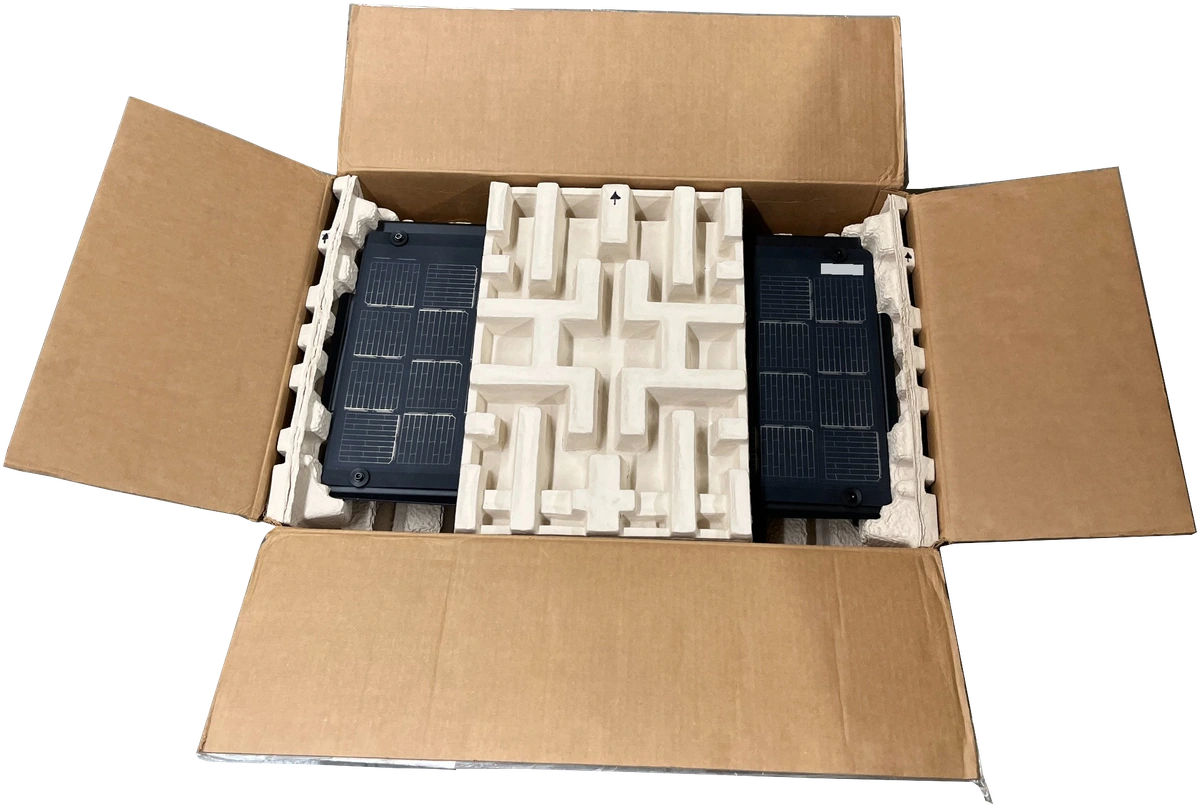
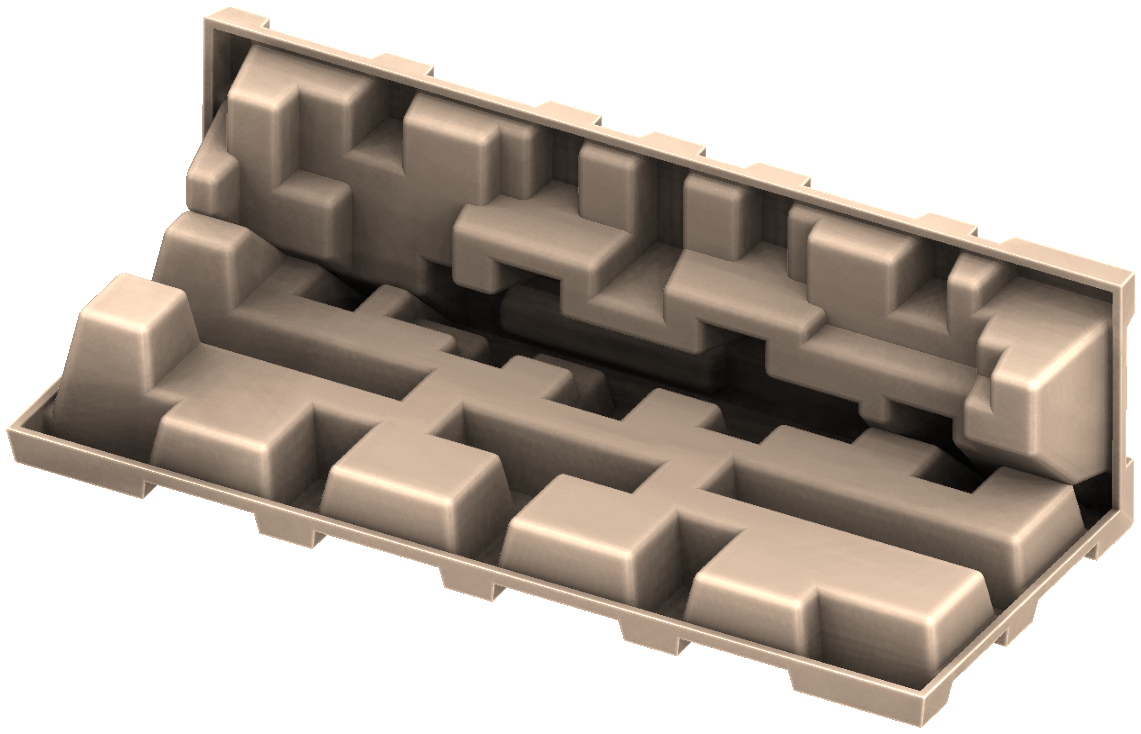
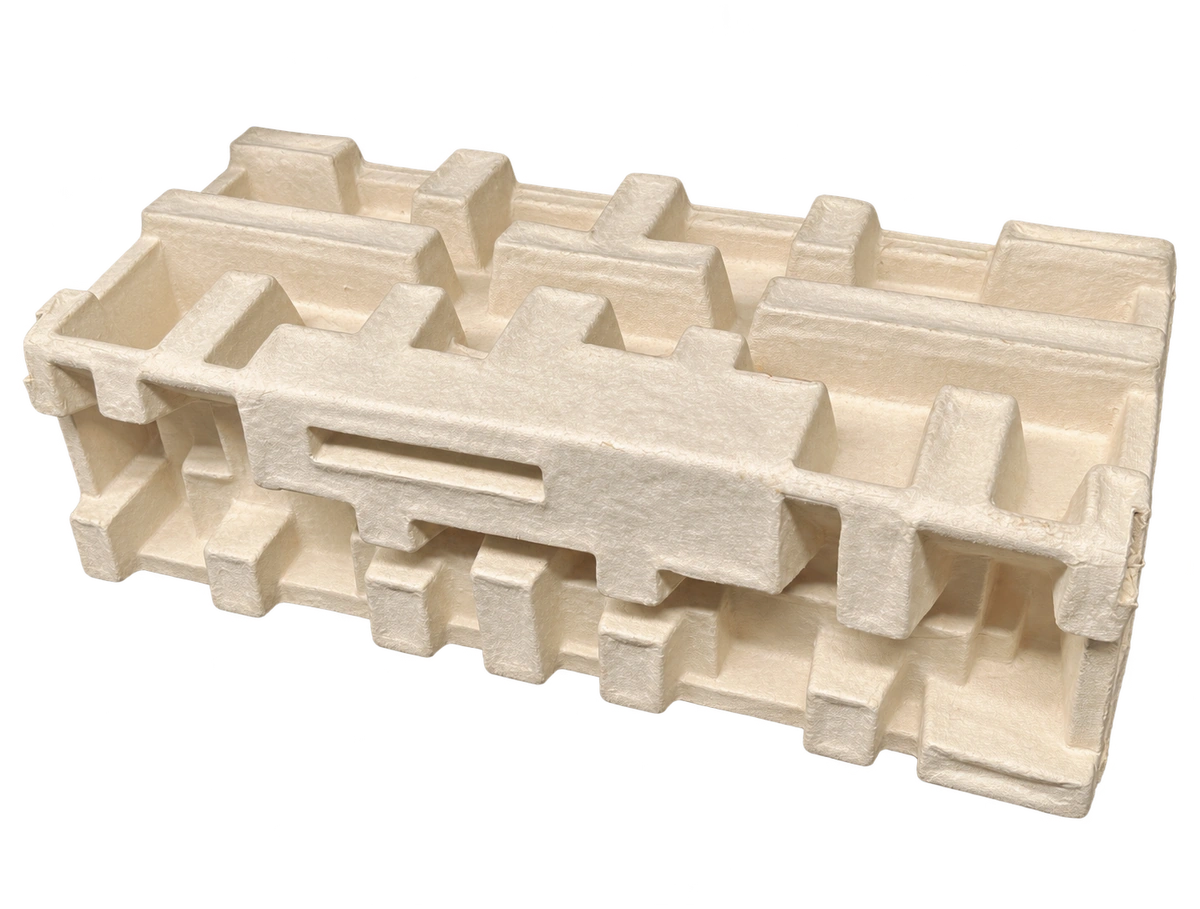
Our molded pulp uses thin walls and engineered three-dimensional shapes to locate, cushion and protect your product. That creates opportunities to reduce the carton around it.
In almost every existing packaging design we have reworked, our molded pulp has allowed us to reduce the carton size.
A smaller carton can mean less cardboard, less warehouse space and lower freight costs—while supporting the move toward more efficient packaging.
No mandatory QR code on single-use pulp inserts
The PPWR does not impose a requirement to put a QR code on single-use molded-pulp inserts. Its reusable-packaging tracking provisions are separate.
You can safely choose our all fiber protection without adding individual QR marking to each insert. This can save you from a potential dramatic increase in cost and complexity on packaging.
No recycled-plastic content targets for an all-fiber insert
Ordinary non-contact-sensitive plastic packaging faces minimum post-consumer recycled-content targets of 35% from 2030 and 65% from 2040.
Those plastic-content requirements do not apply to our all-fiber inserts. Moving away from plastic removes that requirement entirely from the protection of your product.
California: Plastic Reduction Is Becoming a Requirement
California’s SB 54 packaging regulations took effect on May 1, 2026. The law introduces producer responsibility for packaging and sets a timetable for reducing single-use plastics which are broadly used in packaging.
| Deadline | Program-wide plastic reduction compared with 2023 |
|---|---|
| January 1, 2027 | 10% |
| January 1, 2030 | 20% |
| January 1, 2032 | 25% |


CalRecycle expressly recognizes switching to nonplastic materials as a way to achieve these reductions. Replacing a plastic foam insert with an all-fiber insert removes both the plastic component and its plastic weight from your packaging design.
By 2032, all covered single-use packaging must be recyclable or compostable. All our products are both.
Plastic-free molded fiber has a recyclable designation on California’s current SB 54 material-category list. The guidance specifically includes shipping trays and packaging inserts.
For businesses selling into California, all-fiber protection offers a direct way to reduce plastic and move toward a material category already recognized under the law.
Avoid Plastic Taxes. Reduce Packaging Fees.
Your packaging choice can become your customer’s recurring bill.
Packaging taxes and producer-responsibility charges can fall on your business, your importer or your customer. These costs extend beyond the purchase price of the packaging itself.
Replacing plastic protection with all-fiber inserts can remove plastic-specific taxes and substantially reduce applicable material fees.
| Market | Plastic packaging cost | All-fiber alternative |
|---|---|---|
| Spain — current plastic packaging tax | €0.45 per kg of non-recycled plastic in taxable non-reusable packaging—equivalent to €450 per tonne of that plastic. | No plastic packaging tax on an insert containing no plastic. |
| United Kingdom — rate from April 1, 2026 | £228.82 per tonne on taxable plastic packaging containing less than 30% recycled plastic. | No Plastic Packaging Tax on an all-fiber insert. |
| Italy — current CONAI material fees | €856 per tonne for EPS protective elements. | €45 per tonne for packaging made entirely from paper/fiber. |
| Oregon — published 2027 material fees |
White EPS cushioning: US$0.59/lb. Coloured EPS cushioning: US$0.74/lb. Laminated foam: US$0.51/lb. |
US$0.05/lb for the “Other Paper Packaging” category used for ordinary uncoated molded-fiber protection. |
| Colorado — published 2027 material fees |
White EPS cushioning: US$1.90/lb. Coloured EPS cushioning: US$2.09/lb. Laminated foam: US$0.59/lb. |
US$0.15/lb for “Other Paper Packaging.” |
Italy’s EPS fee per tonne is more than 19 times the fee for all-paper packaging. Material selection can make a substantial difference to the ongoing cost of supplying a market.
This is just the beginning. There are numerous governments of all levels around the globe in discussions about using fees and taxes to help restrict the plastics that reach their landfill. All fiber packaging can reduce your exposure to future plastic-specific fees and taxes.
Actual savings depend on packaging weight, category, exemptions and reporting method. These comparisons concern ordinary uncoated protective packaging; paper packaging can still carry producer-responsibility fees. Laminated foam figures use the published “LDPE (#4) — Other Rigid Items” category; the applicable category depends on the finished insert.
The savings can extend beyond regulatory charges
Our ability to reduce carton size can also reduce:
- Carton material costs
- Freight charges
- Warehouse space
A packaging redesign gives you the opportunity to address these costs together.

Restrictions on Foam Are Already Here
Polystyrene packing peanuts are already restricted in New York, Washington, New Jersey and Oregon. Our low volume custom molded-fiber inserts provide a previously unavailable alternative to that loose-fill packaging format.

All Fiber. Engineered Protection. A Simple Process.
Our molded pulp packaging is:
- Made entirely from fiber
- 100% recyclable
- Molded using fiber and water, with no chemicals added during our molding process
- Engineered around your product’s fit, cushioning and protection requirements
We design the protection around your product and its shipping needs, with opportunities to remove plastic and unnecessary packaging bulk.

Start Before a Deadline Forces Your Hand
Start the redesign now. Give your engineering, purchasing, production and distribution time to make the change properly.
Talk to Pulp Packaging about moving your product to all-fiber protection.
Regulatory information and published rates checked November 18, 2026.